

Before You Go
A little preparation goes a long way.
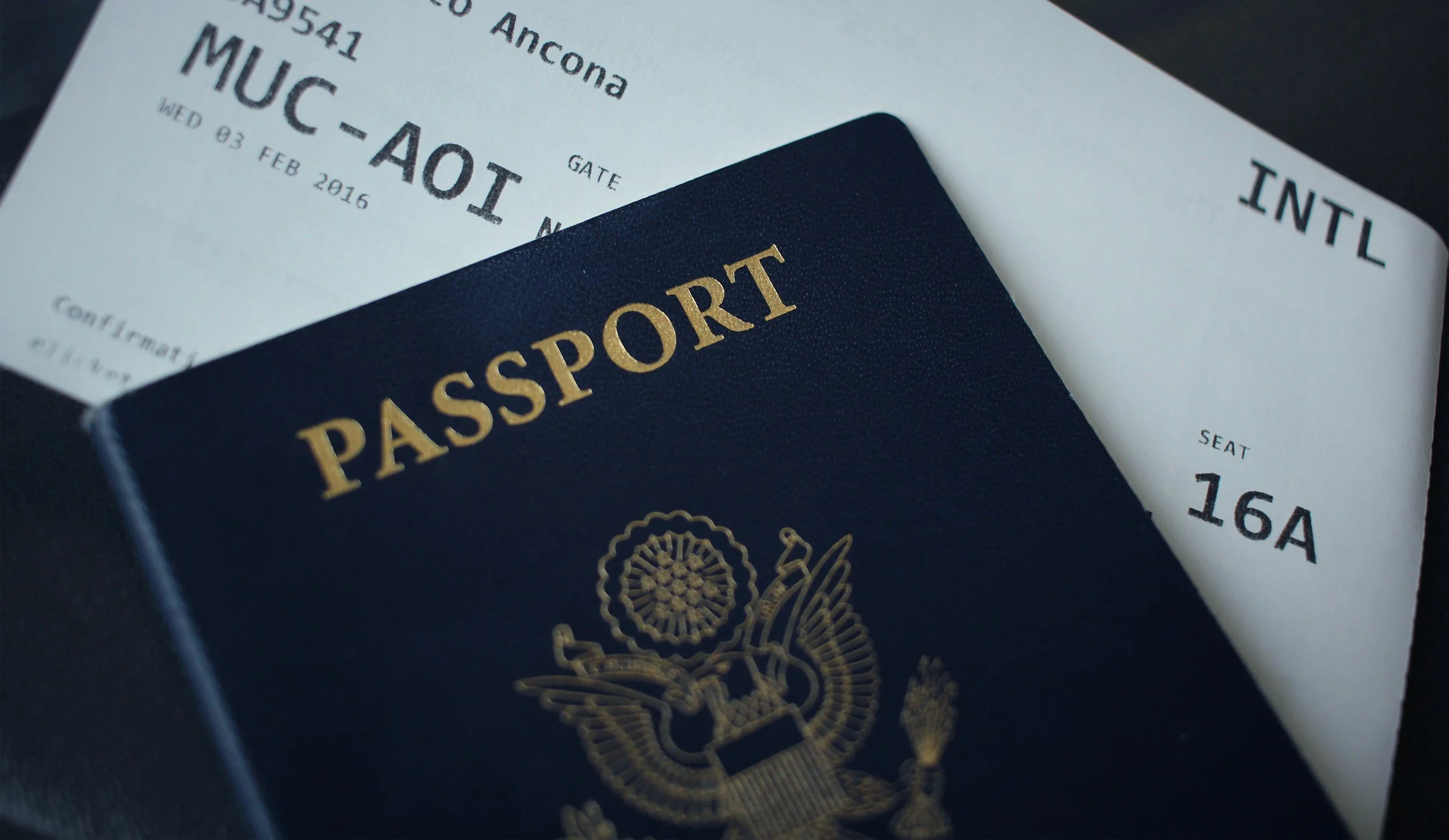
Don't wait until the last minute. Whether you're applying for your first passport or renewing an existing one, starting early can help you avoid unnecessary stress. Many destinations also require your passport to remain valid for at least six months beyond your travel dates.
Passports: Application & Renewal
Ways to Travel, Thoughtfully
✓ Apply for your passport well before your departure date.
✓ Renew passport if departure date is within six months of expiration.
✓ Keep a digital copy.
Helpful Resources
• US Passport Applications and Renewals
• Check Status of Passport Application
Related Podcast
🎧 Passport Readiness
Featured in: Episode 17
Having a valid passport is only the first step. Every country sets its own entry requirements, and those requirements can change.
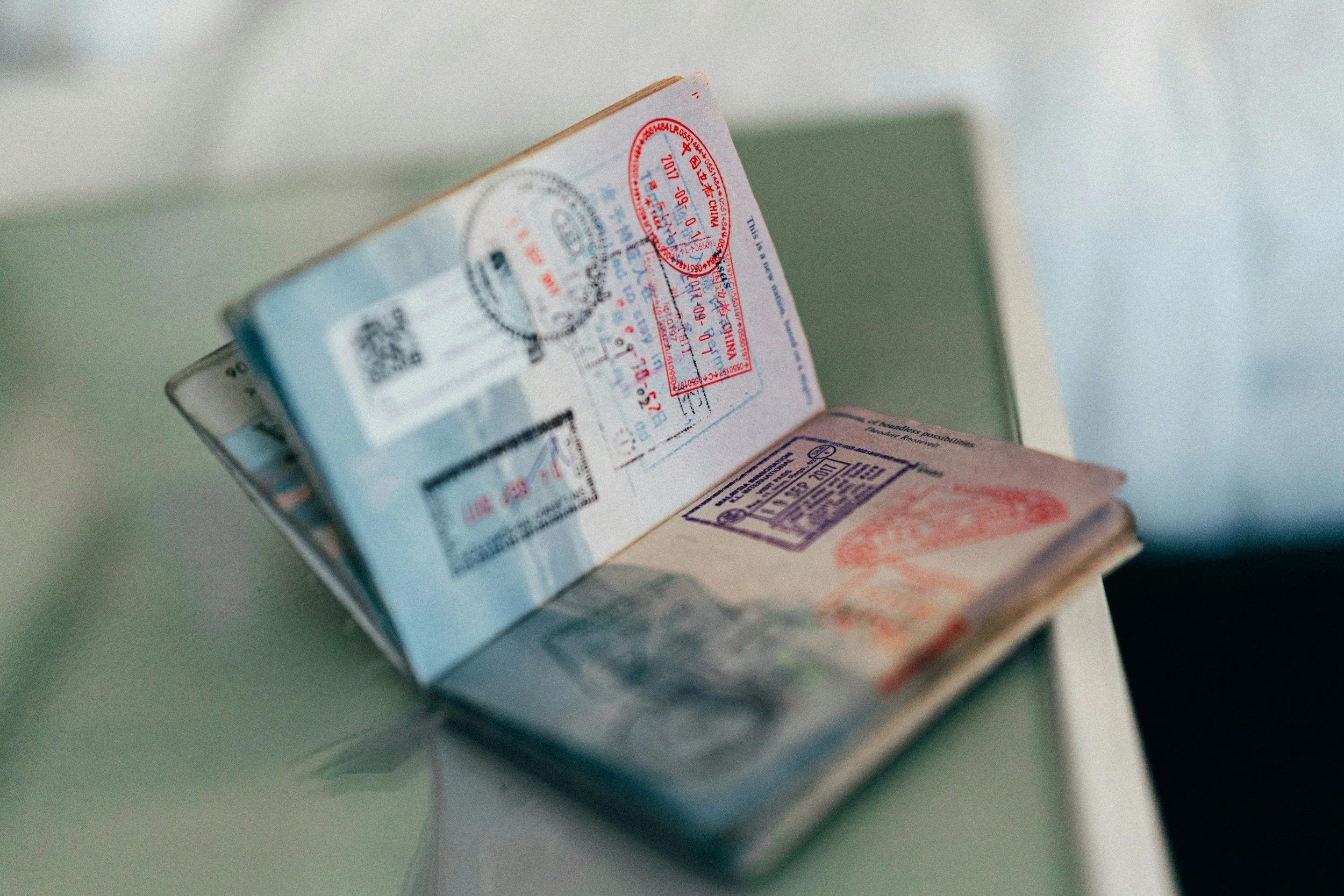
Some destinations allow U.S. travelers to enter without a visa, while others require a visa or electronic travel authorization before departure. Depending on where you're traveling, you may also need proof of onward travel, hotel reservations, sufficient funds, or specific vaccinations.
Airlines verify travel documents before you board. If you don't meet a destination's entry requirements, you may be denied boarding
Checking entry requirements early gives you time to gather documents, complete applications, and avoid unnecessary stress before departure.
Entry Requirements & Visas
Ways to Travel, Thoughtfully
✓ Check requirements early.
Some visas take days or even weeks to process. Give yourself time to handle unexpected requirements without rushing.
✓ Use official sources.
Immigration requirements change. Always confirm them through official government websites before your trip.
✓ Check one last time before departure.
Entry requirements can change. Review them again a week or two before departure to avoid last-minute surprises.
Helpful Resources
• US Department of State - International Travel
• US Department of State - Travel Advisories
• IATA Travel Centre (check passport, visa, and health requirements for your itinerary)
• Official Embassy or Consulate of Your Destination
Travel insurance helps protect you from unexpected events before and during your trip. While many people think of canceled flights or lost luggage, medical emergencies, evacuations, and trip interruptions are often where insurance provides its greatest value. The right policy depends on your destination, trip cost, health, and personal comfort with financial risk.
Coverage varies by policy, so it's important to understand both what is - and isn’t - covered before buying. Some benefits, such as coverage for pre-existing conditions or optional "Cancel for Any Reason" upgrades, may only be available if you purchase insurance soon after making your initial trip deposit.
It's also worth checking what protection you may already have. Some health insurance plans provide limited coverage while traveling, and certain credit cards include benefits such as trip delay or baggage protection. However, these benefits often have restrictions and shouldn't be assumed to replace a comprehensive travel insurance policy.
Ultimately, travel insurance is a personal decision. Understanding your existing coverage, the potential financial risks, and the details of any policy you're considering can help you decide whether travel insurance is a worthwhile investment for your trip..
Travel Insurance
Ways to Travel, Thoughtfully
✓ Compare protection—not just price.
A lowest-cost policy may not provide the coverage you actually need.
✓ Keep your documentation.
Save your policy information, receipts, and emergency contact numbers.
✓ Match coverage to your trip.
Different destinations and travel styles may call for different levels of protection.
Helpful Resources
• National Association of Insurance Commissioners: Travel Insurance (Explains common types of coverage, exclusions and what to consider before buying a policy)
• Your health insurance provider (Understand what medical coverage applies while traveling)
• Your credit card’s Guide to Benefits (Determine what travel protections are already included)l mpact.
Staying healthy while traveling begins long before you board your flight. While many destinations require little more than your routine healthcare, others recommend—or even require—specific vaccinations, medications, or health documentation before arrival.
If you're traveling internationally, it's a good idea to review the health recommendations for your destination several weeks before departure. Some vaccines require multiple doses or take time to become fully effective. Depending on where you're traveling, you may also need preventive medications for illnesses such as malaria or documentation showing proof of certain vaccinations.
Beyond vaccinations, remember to pack enough prescription medication for your entire trip, plus a few extra days in case of delays. Keep medications in their original labeled containers and pack them in your carry-on luggage rather than checked baggage. If you use medical devices, such as a CPAP machine or insulin, check airline requirements before you travel.
Simple habits can also go a long way toward preventing illness. Stay hydrated, wash your hands frequently, use sunscreen and insect repellent when appropriate, and pay attention to local food and water recommendations. Taking a little time to prepare before you leave can help you spend more time enjoying your destination—and less time dealing with unexpected health issues.
Health & Vaccinations

Ways to Travel, Thoughtfully
✓ Plan Ahead
Schedule a visit with your healthcare provider or a travel clinic at least 4–8 weeks before an international trip to discuss recommended vaccines and destination-specific health precautions.
✓ Pack Smart
Carry prescription medications in their original containers, bring enough for your entire trip (plus a few extra days), and keep them in your carry-on luggage.
✓ Know Before You Go
Research any health advisories, vaccination requirements, food and water recommendations, and emergency medical resources for your destination before you depart.
Helpful Resources
• CDC Travelers' Health — Destination-specific vaccines and health recommendations.
•World Health Organization(WHO) — Global disease outbreaks and public health information.
• FSIMT(formerly IAMAT) — International travel health resources and physician information.
• U.S. Department of State - Travel— Country information, travel advisories, and embassy contacts.
Managing your money while traveling doesn't have to be complicated, but a little preparation can save you money, reduce stress, and help you avoid common financial pitfalls.
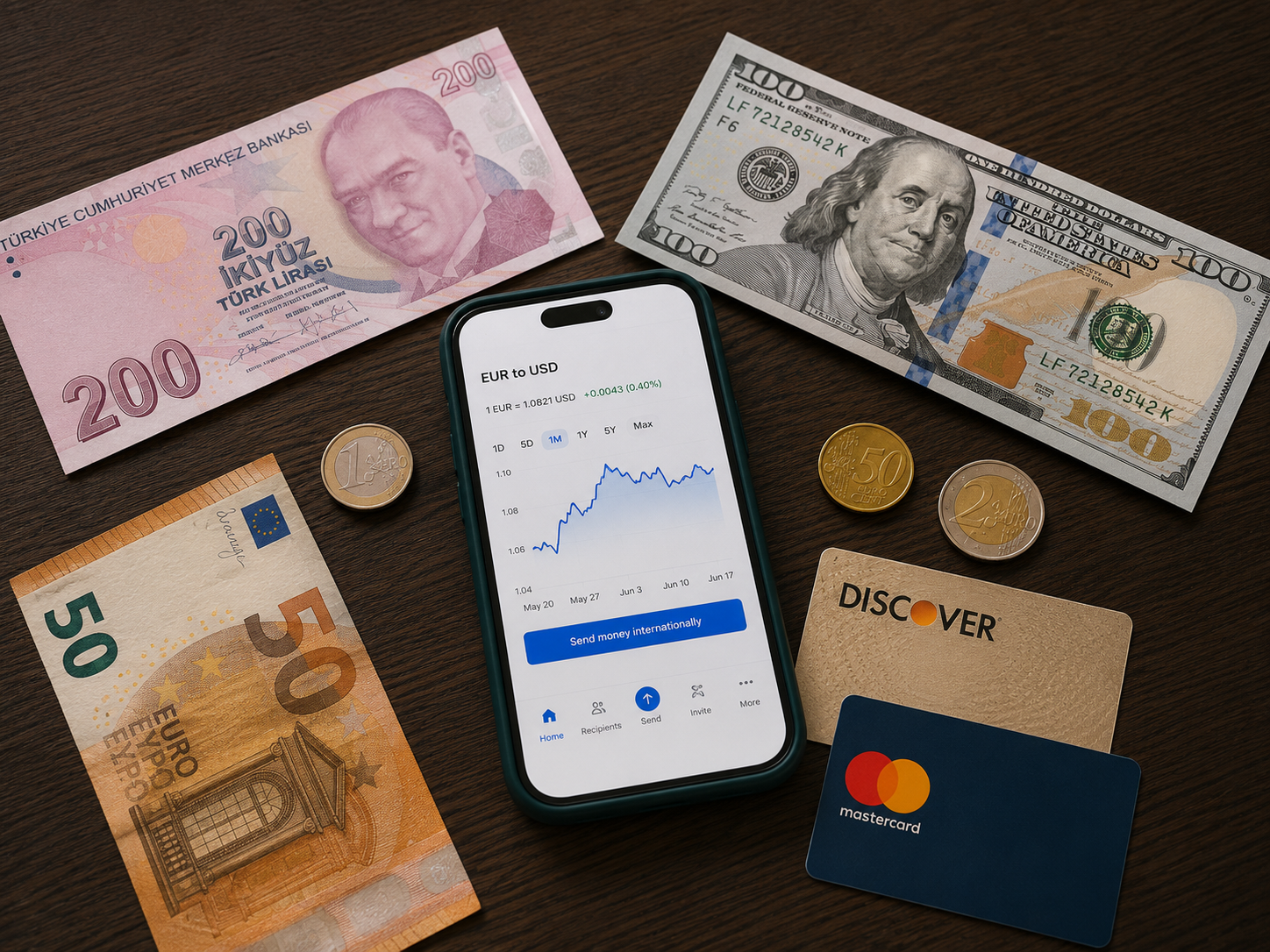
Before you leave, check with your bank or credit card issuer about any travel recommendations, foreign transaction fees, and whether your cards can be used internationally. Bring at least two credit cards from different payment networks, such as Visa and Mastercard, and store them separately. Not every merchant accepts every card, and having a backup can be invaluable if one is lost, compromised, or declined.
While credit cards are widely accepted in many destinations, it's still wise to carry a small amount of local currency for taxis, tips, local markets, or smaller businesses that may not accept cards. Before you travel, research the payment practices at your destination, as some countries remain largely cash-based while others rarely use cash at all. You may also want to bring a debit card primarily for withdrawing cash from reputable ATMs rather than for everyday purchases.
When paying by credit card abroad, you may be asked whether you'd like to pay in US dollars or the local currency. In most cases, choosing the local currency results in a better exchange rate because your credit card issuer—not the merchant—handles the conversion.
Money, Credit Cards & Currency
Ways to Travel, Thoughtfully
Carry two different credit cards
Bring at least two credit cards from different payment networks (such as Visa and American Express) and keep them in separate locations. If one card is lost, compromised, or simply isn't accepted, you'll have another payment option available.
Know your card's travel benefits
Many travel credit cards include valuable benefits such as no foreign transaction fees, rental car coverage, baggage protection, trip delay reimbursement, or travel accident insurance. A few minutes reviewing your card's benefits before you travel can save both money and frustration.
Choose the local currency
When paying by credit card, select the local currency rather than U.S. dollars whenever you're given the choice. This usually provides a better exchange rate and helps you avoid unnecessary conversion fees charged by merchants.
Helpful Resources
• XE – Check current exchange rates and convert currencies before and during your trip.
• US Department of State – Emergency Financial Assistance Abroad – Learn what to do if you lose access to your money or credit cards while traveling internationally.
• Your bank or credit card issuer – Review foreign transaction fees, ATM access, card travel recommendations, and available travel benefits before you leave.
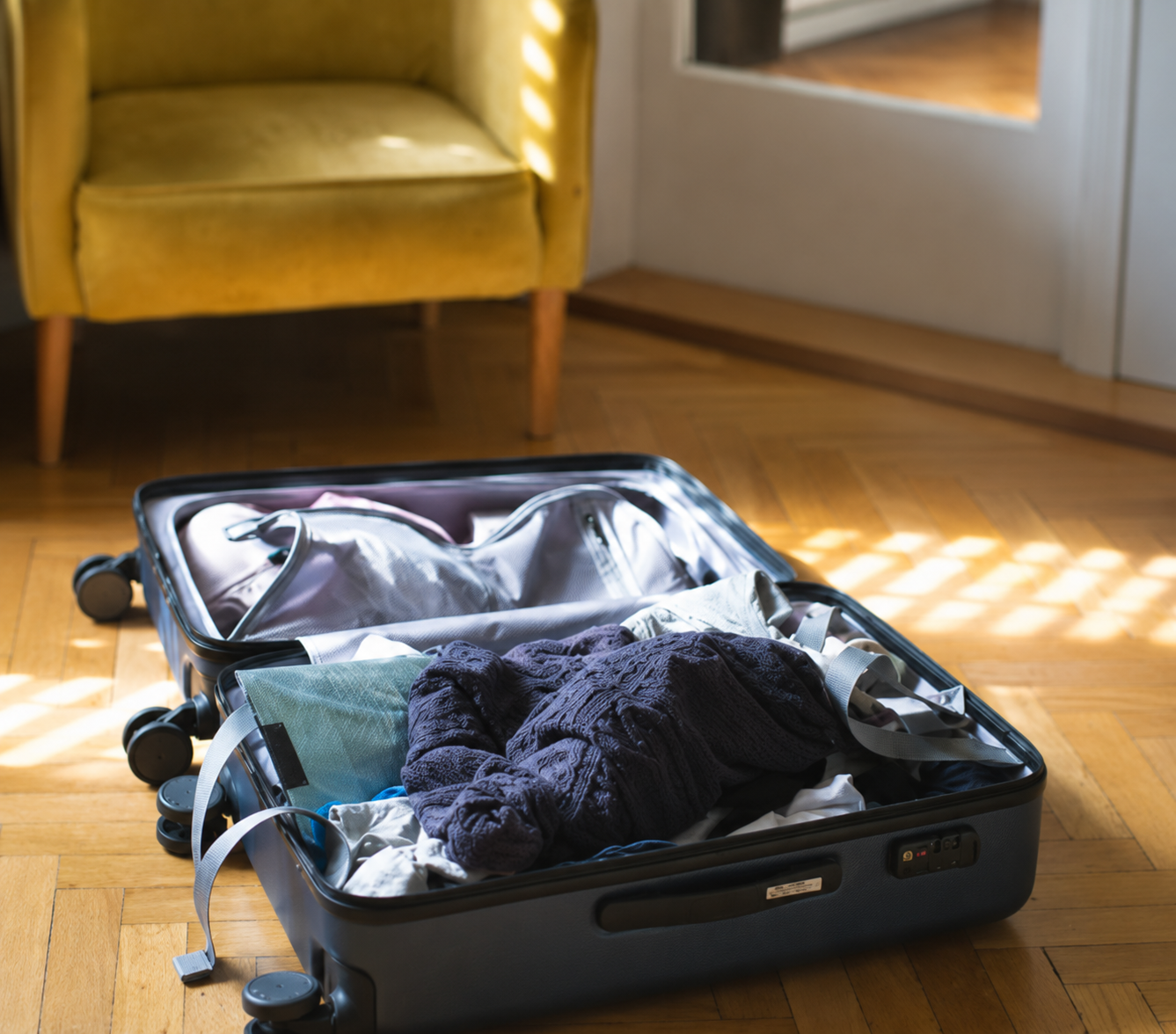
Packing well isn't about bringing more—it's about bringing what you'll actually use.
Thoughtful packing helps reduce stress, avoids unnecessary baggage fees, and makes it easier to move through airports, hotels, trains, and cruise terminals. Whether you're traveling for a weekend or several weeks, having a simple packing strategy can help you spend less time worrying about what you forgot and more time enjoying your trip.
Every traveler packs differently, but the best packing lists focus on versatility, organization, and preparing for the unexpected.
Packing Essentials
Ways to Travel, Thoughtfully
Pack for outfits—not individual days.
Choose clothing that mixes and matches so a few pieces create multiple combinations. Neutral colors and layers give you flexibility without overpacking.
Keep your essentials with you.
Always carry medications, important documents, electronics, chargers, and one change of clothes in your carry-on. If checked luggage is delayed, you'll still have what you need.
Plan for what you'll bring home.
If you expect to shop while traveling, decide before you leave how you'll get those items home. That might mean leaving extra space in your suitcase, packing a lightweight foldable bag, or budgeting for a checked bag on your return.